The Constitution already wins on paper
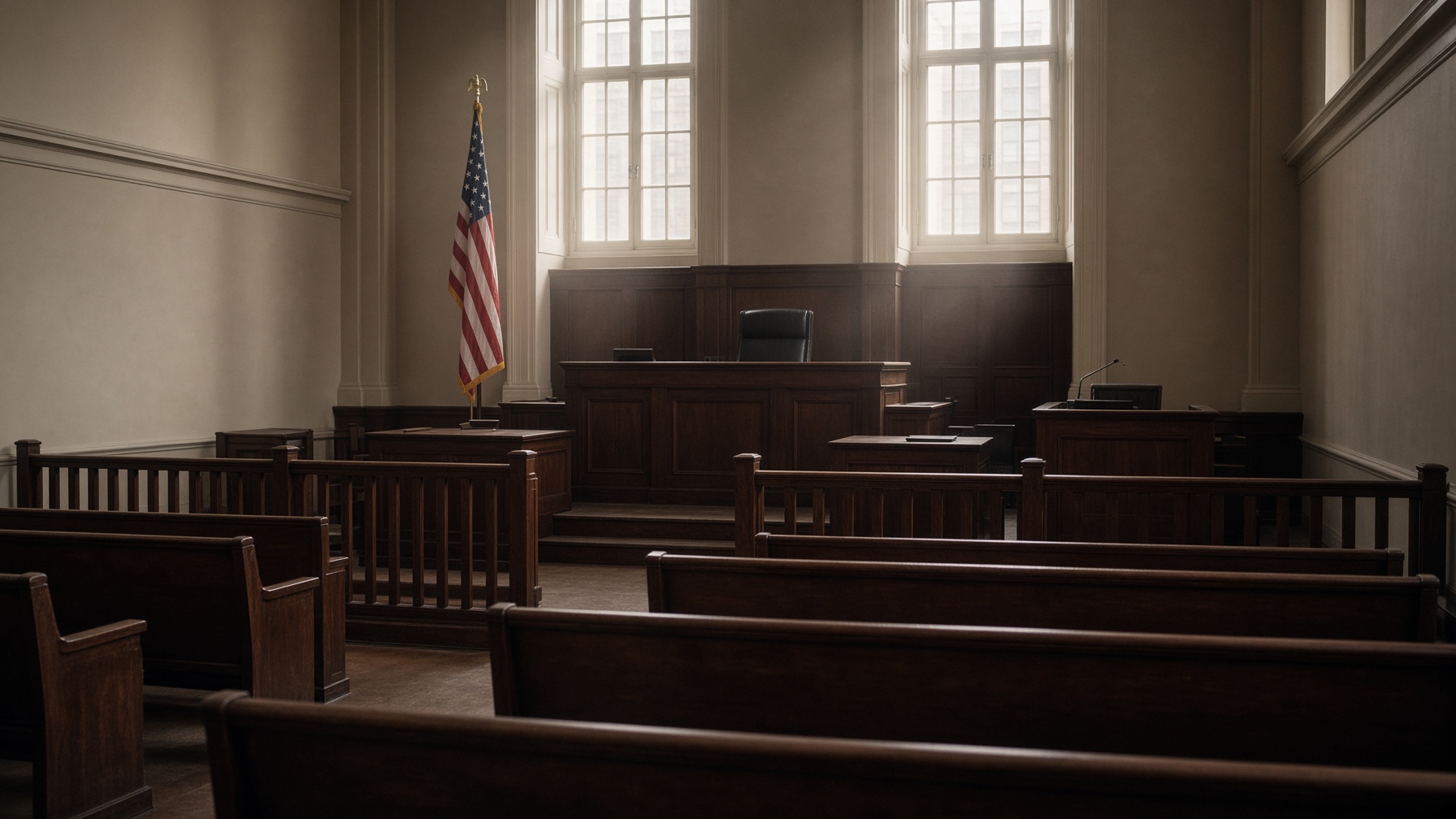
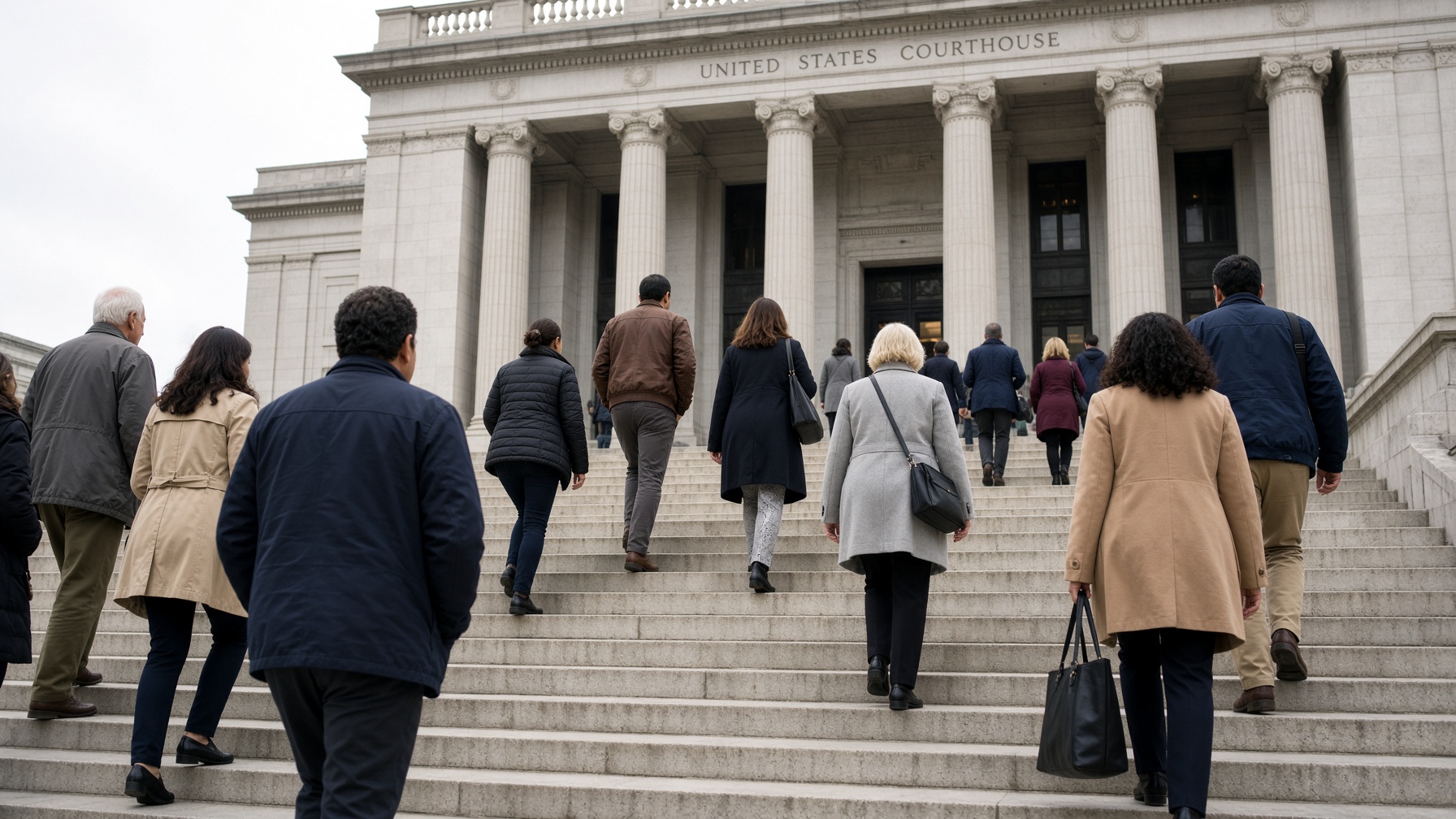
No U.S. court applies Sharia as a governing criminal or public legal code. The Supremacy Clause and the Fourteenth Amendment sit above every religious manual. A state may not establish a religion and may not deny equal protection.
Pew’s 2026 portrait put the U.S. Muslim population at about 5.5 million people of all ages, up from 2.4 million in 2007 — still on the order of one percent of the country. Mosque counts rose over the same generation. Growth is real. Replacement of the civil courts is not.
Where religious law does enter
It enters the way other religious law enters: through private choice.
- Contracts. A marriage contract (nikah / mahr), a will, a partnership agreement that refers to Islamic rules.
- Religious arbitration. The Federal Arbitration Act makes written arbitration agreements broadly enforceable. Jewish beth din panels and Christian tribunals use the same statute.
- Foreign judgments. A U.S. court asked to recognize a divorce or custody order from another country will refuse if the result violates public policy or basic fairness.
- Neutral principles in family court. Judges may look at a religious document as a contract. They may not become theologians.
Courts already have tools to void an award obtained by duress or one that would violate a child’s best interests or a spouse’s constitutional rights. The gap is practical: people who never reach a courthouse, or who are told that using a “kafir court” is forbidden.
State and federal bills
Since about 2010, many states have passed or debated “American Laws for American Courts” statutes. The durable versions are neutral: they bar a court from enforcing foreign or religious law when doing so would violate fundamental rights. Oklahoma’s 2010 amendment that named Sharia specifically was blocked as religious targeting.
Naming a religion in a bill title makes a good press release and a worse constitutional case. One Civil Law prefers the neutral rule: no enforceable result that denies equal protection, from any foreign or religious source.
Read next: documented harms and policy asks.